Furniture Disposal in Norwood: Your Ultimate Guide

Are you looking to dispose of old furniture in Norwood? Whether you're moving, renovating, or simply decluttering, proper furniture disposal is essential for maintaining a clean and organized space. In this comprehensive guide, we will explore various methods and best practices to help you dispose of your furniture responsibly and efficiently.
Norwood offers a range of options for furniture disposal, each suited to different needs and circumstances. From recycling centers to professional disposal services, understanding your choices can save you time, effort, and even money.
Before you decide on the best disposal method, it's important to assess the condition of your furniture, local regulations, and environmental considerations. This guide will cover all these aspects to ensure you make an informed decision.
Why Proper Furniture Disposal Matters
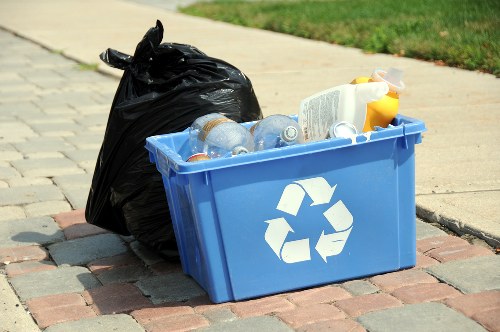
Proper furniture disposal is not just about clearing space; it has significant environmental and societal impacts. Improper disposal can lead to increased landfill waste, environmental pollution, and wasted resources. By disposing of furniture responsibly, you contribute to sustainability and support community well-being.
Additionally, many discarded furniture items can be repurposed or recycled, reducing the need for new resources. This not only conserves natural resources but also reduces the carbon footprint associated with manufacturing new products.
Moreover, responsible disposal helps maintain the aesthetic and cleanliness of your neighborhood, promoting a healthier and more attractive community environment.
Methods of Furniture Disposal

When it comes to disposing of furniture in Norwood, you have several options. Each method has its advantages and is suitable for different types of furniture and individual circumstances. Below, we outline the most common methods:
1. Recycling Centers
Recycling centers are an excellent option for disposing of furniture that is still in usable condition. These centers accept various types of furniture and ensure that materials are recycled appropriately.
2. Professional Disposal Services
Hiring a professional furniture disposal service can save you time and effort. These services handle the entire disposal process, from collection to proper recycling or disposal.
3. Donation
If your furniture is still in good condition, consider donating it to local charities or non-profit organizations. This not only helps those in need but also promotes sustainability by extending the life of your furniture.
Choosing the Right Disposal Method

Selecting the appropriate furniture disposal method depends on several factors, including the condition of the furniture, your budget, and environmental considerations. Here are some tips to help you choose:
- Assess the Condition: Determine whether the furniture is still usable or needs to be recycled.
- Consider Cost: Professional services may incur fees, while recycling centers and donations are often free.
- Check Local Regulations: Norwood may have specific guidelines for furniture disposal that you need to follow.
- Environmental Impact: Opt for methods that minimize environmental harm, such as recycling or donating.
Step-by-Step Guide to Furniture Disposal
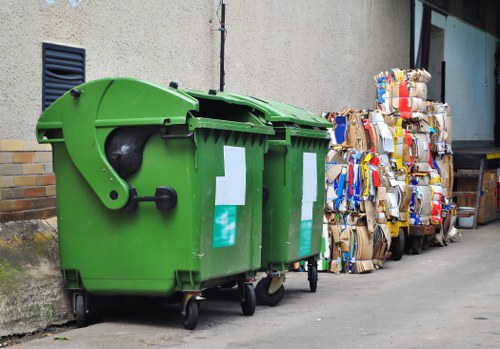
Follow these steps to ensure a smooth and responsible furniture disposal process in Norwood:
- Evaluate Your Furniture: Decide if the furniture is worth donating, recycling, or needs to be discarded.
- Research Options: Look into local recycling centers, donation centers, and professional disposal services.
- Schedule Pickup or Drop-off: Arrange for transportation of your furniture to the chosen facility.
- Prepare Furniture: Clean and, if necessary, disassemble furniture for easier handling.
- Complete the Disposal: Ensure that your furniture is properly processed according to the chosen method.
By following these steps, you can effectively manage furniture disposal, ensuring that your old pieces are handled responsibly.
Environmental Benefits of Proper Disposal
Proper furniture disposal in Norwood not only benefits you but also the environment. Recycling materials such as wood, metal, and plastics reduces the need for raw materials, conserves energy, and minimizes pollution.
Additionally, donating furniture extends its life cycle, reducing waste and supporting those in need. By choosing green disposal methods, you contribute to a more sustainable future.
Implementing eco-friendly disposal practices can also inspire others in your community to follow suit, creating a collective impact that benefits the entire environment.
Cost Considerations
Furniture disposal costs can vary based on the method you choose. Here’s a breakdown of potential expenses:
- Recycling Centers: Many recycling centers offer free or low-cost disposal options, especially for large items.
- Professional Services: These services may charge based on the volume or weight of the furniture, as well as the distance for pickup.
- Donations: Donating furniture is typically free, though some organizations may appreciate a donation fee or tax deduction receipts.
- DIY Disposal: If you choose to dispose of furniture on your own, consider costs related to transportation, such as truck rentals or fuel.
Balancing cost with your disposal needs will help you choose the most economical and efficient method.
Local Regulations and Guidelines
Norwood has specific regulations regarding furniture disposal to ensure environmental protection and community cleanliness. It’s essential to familiarize yourself with these guidelines before proceeding.
Permits and Restrictions
In some cases, disposing of large furniture items may require a permit, especially if you're placing them on the curb for pickup. Check with the local Norwood municipality for any necessary permits.
Recycling Requirements
Ensure that recyclable materials are correctly sorted and processed. Recycling centers may have specific requirements for what can and cannot be accepted.
Collection Schedules
Stay informed about the local collection schedules to avoid missed pickups or additional fees. Planning ahead can streamline the disposal process.
Hiring Professional Disposal Services
Professional furniture disposal services in Norwood offer a hassle-free solution for managing your unwanted items. These services handle everything from pickup to proper recycling or disposal, saving you time and effort.
Benefits of Professional Services
- Convenience: Professionals handle all aspects of disposal, including transportation and processing.
- Efficiency: Quick and efficient removal of furniture helps you declutter faster.
- Environmental Responsibility: Many services prioritize eco-friendly disposal methods.
- Safety: Proper handling of heavy or bulky items reduces the risk of injury.
Choosing a reputable disposal service ensures that your furniture is managed responsibly and ethically.
Donation Options in Norwood
Donating your furniture is a commendable way to dispose of items that are still in good condition. Several organizations in Norwood accept donations, providing you with an opportunity to support your community.
Local Charities
Many local charities in Norwood accept furniture donations. These organizations often distribute the items to families in need or repurpose them for various projects.
Non-Profit Organizations
Non-profits focused on homelessness, veterans, and other causes may accept furniture donations, offering a meaningful way to give back.
Benefits of Donating
- Social Impact: Your donation can significantly improve someone's living conditions.
- Environmental Benefits: Extending the life of furniture reduces landfill waste.
- Tax Deductions: Donations may be tax-deductible, offering financial benefits.
Recycling Your Furniture
Recycling is a sustainable option for disposing of furniture, ensuring that materials are reused and waste is minimized. Here’s how to approach furniture recycling in Norwood:
Types of Recyclable Materials
Common recyclable materials from furniture include wood, metal, plastic, and glass. Ensure that these materials are clean and separated properly before recycling.
Recycling Process
Recycling centers process materials by breaking them down and repurposing them into new products. This reduces the demand for raw materials and lowers environmental impact.
Finding a Recycling Center
Locate a nearby recycling center in Norwood that accepts furniture. Verify their requirements and operating hours to facilitate a smooth process.
Environmental Impact of Furniture Disposal
The environmental impact of furniture disposal is significant. Improper disposal contributes to landfill overflow, pollution, and resource depletion. By choosing sustainable disposal methods, you can mitigate these effects.
Landfill Reduction
Recycling and donating furniture help reduce the amount of waste sent to landfills, conserving space and minimizing environmental strain.
Resource Conservation
Recycling materials like wood and metal conserves natural resources, reducing the need for new material extraction and processing.
Pollution Prevention
Proper disposal prevents harmful substances from entering the environment, protecting air, water, and soil quality.
DIY Furniture Disposal Tips
If you prefer to handle furniture disposal on your own, here are some practical tips to ensure efficiency and responsibility:
Preparing Furniture for Disposal
- Clean the Items: Remove any stains, dirt, or debris to make disposal easier.
- Disassemble If Possible: Breaking down large pieces can simplify transportation and handling.
- Remove Hazardous Materials: Ensure that any hazardous components, such as batteries or chemicals, are safely removed.
Transporting Furniture
Use appropriate transportation methods, such as renting a truck or utilizing your vehicle, to move furniture to the disposal site. Ensure that items are securely packed to prevent damage.
Safety Measures
Wear protective gear and use proper lifting techniques to avoid injuries when handling heavy or bulky furniture pieces.
Common Furniture Disposal Challenges
Disposing of furniture can come with its set of challenges. Being aware of these issues can help you navigate the process more effectively:
- Size and Weight: Large and heavy furniture items can be difficult to move and dispose of.
- Cost: Professional disposal services may be expensive for some budgets.
- Time Constraints: Coordinating pickups or drop-offs can be time-consuming.
- Regulatory Compliance: Ensuring compliance with local disposal regulations is essential to avoid fines.
By anticipating these challenges, you can plan accordingly and choose the best disposal method for your situation.
Benefits of Recycling Furniture
Recycling furniture offers numerous benefits beyond just disposal. It promotes sustainability, conserves resources, and fosters a circular economy where materials are reused and repurposed.
Sustainability
Recycling reduces the need for new materials, lowering the environmental impact associated with manufacturing and extraction processes.
Economic Advantages
By recycling, you help create demand for recycled materials, supporting local recycling industries and contributing to economic growth.
Community Well-Being
Recycling initiatives often involve community participation, fostering a sense of responsibility and cooperation among residents.
Impact on Health and Safety
Proper furniture disposal also has implications for health and safety. Accumulated clutter can create hazards, including tripping risks and fire dangers.
Reducing Clutter
By disposing of unused furniture, you maintain a safe and organized living environment, reducing the likelihood of accidents.
Preventing Fire Hazards
Properly disposing of furniture minimizes the risk of fire hazards caused by old or damaged items that could ignite.
Enhancing Air Quality
Removing old furniture, especially items that may emit volatile organic compounds (VOCs), improves indoor air quality and overall health.
Alternatives to Disposal
Before disposing of your furniture, consider alternatives that might extend its life or repurpose it effectively:
Refurbishing
Refurbishing old furniture can breathe new life into it, making it usable again and potentially increasing its value.
Upcycling
Upcycling involves transforming old furniture into something new and useful, enhancing both its aesthetic and functional value.
Selling
If your furniture is in good condition, consider selling it through online marketplaces or local consignment shops.
Conclusion
Furniture disposal in Norwood is a manageable task when approached with the right knowledge and resources. By understanding your options—whether it's recycling, donating, or hiring professional services—you can dispose of your furniture responsibly and efficiently.
Remember to consider the environmental impact, cost, and local regulations when deciding on the best disposal method. With careful planning and execution, you can contribute to a cleaner, safer, and more sustainable community.
Don't let unwanted furniture take up valuable space any longer. Contact us today to explore your furniture disposal options in Norwood and take the first step towards a clutter-free environment.