Garden Clearance in Norwood

Garden Clearance Norwood provides practical outdoor clearance for homes and properties that need overgrown growth, loose garden waste, and unwanted materials taken away in an organised way. The service is suited to routine tidy-ups as well as more demanding clearances after pruning, landscaping, or a long period without maintenance. Our focus is on removing the right materials efficiently, leaving the space ready for the next stage of work, whether that means further gardening, repairs, or a simpler, easier-to-manage outdoor area.
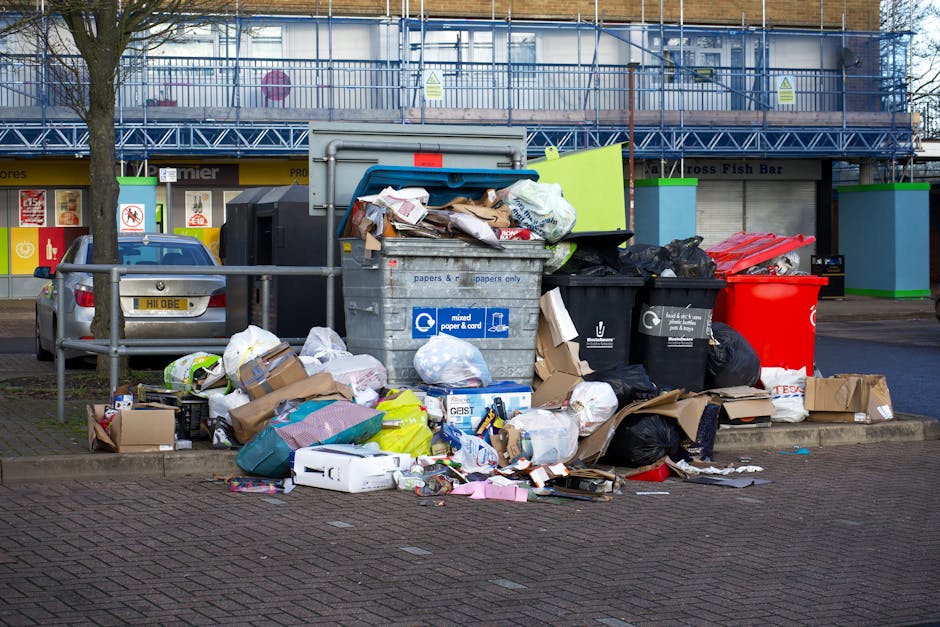
We handle a broad mix of garden clearance tasks, from branches, clippings, and hedge trimmings to broken pots, rotting timber, soil, and mixed outdoor rubbish. Where access is awkward or waste is spread across different parts of a property, the work can still be planned in a straightforward way. Clear sorting matters because garden waste and reusable outdoor items are not always the same thing, and separating them early helps keep the clearance tidy and efficient.
For a fuller overview of what can be included, see our garden clearance service. If you are comparing wider property options too, our home clearance and house clearance pages explain related services that may suit properties with mixed indoor and outdoor items. When you are ready to move forward, contact us for a quotation and share the key details of the job.
Garden Waste Removal and Green Material Sorting
Garden clearance often begins with separating what is genuinely green waste from what is mixed rubbish. Grass cuttings, leaves, hedge trimmings, small branches, and pruning offcuts can usually be grouped together, but outdoor clearances frequently include other items as well. Old plant supports, cracked garden furniture, broken planters, bagged waste, and damaged timber may all need different handling. A careful approach keeps the work practical and helps avoid leaving behind small pieces that quickly make a space look unfinished.
Our service is suited to garden waste removal after routine maintenance or a larger seasonal tidy-up. It can also help when a garden has gathered layers of debris over time, such as accumulated cuttings, fallen branches, or unused materials from previous projects. In many cases, the main decision is not whether the waste can be moved, but how it should be arranged and categorised so the clearance stays efficient and the remaining garden is easy to inspect once the work is complete.
Typical outdoor materials
The kinds of items that often appear in a garden clearance include loose green waste, soil spoil, plant containers, fence offcuts, old compost bags, dismantled edging, and general debris from a shed or patio area. Some clearances are mostly organic, while others mix soft landscape waste with heavier, harder materials. That distinction matters because it shapes how the job is planned and what equipment or loading method is likely to be sensible for the site.
Overgrown Gardens, Seasonal Tidy-Ups and Reclaiming Space
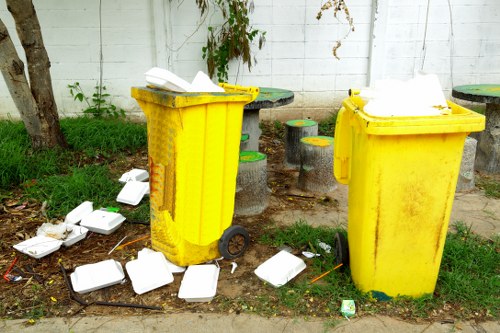
An overgrown garden usually needs more than a quick sweep. The aim is to create an orderly starting point by removing surplus growth and accumulated waste in stages, especially where paths, borders, or side access have become difficult to use. Clearing dense areas can reveal what still needs pruning, what is simply dead material, and which parts of the garden are structurally sound enough to keep. That practical distinction helps the work move forward without unnecessary disruption.
Seasonal clearances are often most useful when leaves, fallen twigs, and cuttings have built up faster than a normal tidy can manage. In these situations, the work may include clearing around beds, lifting loose waste from hard surfaces, and removing items that have become embedded in the garden over time. If the space is being prepared for planting, repair, or general improvement, a more thorough clearance gives you a clearer view of the ground and the boundaries of the area.
Helpful preparation is simple: if some items are staying and others are going, group them as best you can; if access is narrow, note that in advance; and if there are fragile surfaces, mention them when asking for a quotation. A few clear photographs can also help describe the scale of the work. Keep the explanation factual and brief, so the quotation reflects the actual job rather than a broad guess.
Garden Clearance for Mixed Outdoor Items
Not every outdoor job is only about green waste. Many gardens include objects that are no longer needed but still take up space, such as old plant pots, rusty tools, damaged trellis, broken outdoor storage, and weathered furniture. Our approach to mixed clearances is to remove the unwanted materials together while keeping the work organised enough to avoid damaging items that remain. This is especially useful when a garden contains both soft waste and heavier, awkward pieces that need a steadier plan.
Where a clearance includes larger objects, it is usually sensible to work through the area in a defined order. That might mean starting at the easiest access point, then moving across borders, lawns, and patio edges so nothing is missed. The result is not just a tidier site, but a more readable one: you can see what space is available, what needs repair, and whether further gardening can begin immediately or should follow later. If you also need other domestic items removed, furniture clearance may be relevant for indoor or sheltered pieces.
- Loose garden waste such as cuttings and leaves
- Branches, hedge trimmings, and pruned growth
- Broken pots, planters, and outdoor containers
- Old timber, edging, and dismantled garden features
- Mixed waste gathered from sheds, patios, or borders
Preparing for a Quotation and Planning the Clearance

Quotation requests are easiest to assess when the main facts are clear. The key points are the approximate amount of waste, the type of material involved, whether items are spread across one area or several, and whether access is straightforward or restricted. Those details help shape a sensible estimate and avoid unnecessary back-and-forth. If a job includes bulky pieces or awkward corners, it is worth mentioning that early so the plan reflects the actual layout rather than a simplified version of it.
There is no need to overcomplicate the enquiry. A short note that explains what needs removing, where it is located, and whether anything needs to be left behind is usually enough to begin. If you are unsure how to describe the job, a rough inventory is fine. Accuracy matters more than length, because the aim is to match the clearance to the property conditions and the waste involved, not to turn the enquiry into a formal report.
For pricing details and the factors that can influence a quotation, our pricing and quotes page is a useful starting point. If the work is part of a bigger property project, you may also want to review recycling and sustainability to understand how different material types are considered. For a straightforward next step, ask for a quotation and we can help you outline the scope clearly.
Domestic Garden Clearance and Property Boundaries
Domestic garden clearance often involves more than the central lawn or main border. Side returns, rear access paths, front plots, and narrow strips beside fences can all accumulate waste over time. Clearing those boundary areas can make the whole property feel more coherent, because loose material often spills from one space into another. Our service is designed to deal with the visible clutter as well as the less obvious build-up that hides in corners, under shrubs, or along fence lines.
Properties also differ in the way outdoor areas connect to the house. Some gardens have a direct route from a kitchen door or conservatory, while others require work through side access or shared paths. That affects how the clearance is organised, especially where items are bulky or where movement needs to be careful and deliberate. A good plan keeps the route sensible and protects the parts of the property that are staying in use. If the job includes internal contents as well, flat clearance may be relevant for combined property clearances.
In practical terms, a domestic garden clearance is often about restoring useful space. That might mean making the garden easier to maintain, readying it for repair, or simply removing the waste that has made the area harder to use. The work can be scaled to suit the property, but the principle stays the same: remove what is no longer needed and leave the remaining area easier to understand.
About Norwood
Norwood is a name shared by several districts in south London, but the area commonly referred to in everyday use is a broad urban district made up of Norwood Green, South Norwood, Upper Norwood, Crystal Palace and West Norwood. Its history is closely tied to the gradual spread of suburban development during the nineteenth century, when improved transport and expanding London encouraged more housing, schools, churches and local shops across the ridge and lower ground around it. The landscape today still reflects that layered growth: busy main roads sit beside quieter residential streets, and the built environment ranges from late Victorian terraces to later civic, retail and community buildings. Crystal Palace Park forms one of the best-known open spaces associated with the wider district, while West Norwood Cemetery, established in the nineteenth century, is notable for its large scale and architectural interest. The area also has strong connections with rail travel, with stations helping shape movement and settlement across the neighbourhoods that share the Norwood name. Local high streets, small parks, faith buildings and community venues contribute to a varied urban character, and the district has retained a sense of distinct neighbourhood identity despite being part of a larger metropolitan setting. The result is an area where domestic streets, open spaces and commercial corridors sit closely together, creating a place that feels both residential and active.
Garden Clearance for Refurbishment, Lettings and Sale Preparation

When a garden needs to look presentable for a new tenant, buyer, or upcoming refurbishment, the clearance usually has a clear deadline and a defined standard of finish. In those cases, the purpose is not just to remove waste but to create an orderly outdoor area that can be inspected, photographed, or handed over without delay. That can involve stripping back accumulated debris, removing lightweight discarded items, and clearing the parts of the garden that make the whole property appear neglected.
Refurbishment-related clearances often include items that have been left after previous maintenance, such as broken edging, unused pots, tarpaulins, old compost sacks, or timber offcuts from earlier work. The service can be coordinated around other property tasks, which helps avoid clashes between clearance and follow-on works. If you are dealing with outdoor waste from a larger project, builders waste clearance may be useful where construction debris and garden material overlap.
The main customer decision is usually whether the space needs a light tidy or a more complete reset. A lighter job may only need scattered waste removed, whereas a fuller clearance can involve multiple collection points and more careful sorting. Either way, the aim is to leave the property better prepared for whatever comes next, without adding unnecessary complexity to the process.
Garden Waste, Furniture and Reusable Outdoor Items
Some garden clearances involve a mix of waste and items that are still structurally intact but no longer wanted. A table with weather damage, a chair with split slats, or shelving that has been left outside can all require different handling from loose organic waste. That is why the description of the job matters: it is not enough to say the garden needs clearing; it helps to identify whether the clearance includes reusable, broken, or dismantled pieces as well.
Where suitable, we can remove garden-related items alongside other outdoor materials in a way that keeps the clearance orderly. The key point is to keep the scope clear from the outset so the job is handled in the right sequence. If the clearance extends beyond the garden and includes indoor furnishings, furniture disposal may be relevant, while a broader property-wide job may sit better with waste removal. Each option serves a slightly different need, so the best choice depends on what is actually on site.
Clients often find it useful to separate what is being retained from what is being removed before the work starts. That makes the final result easier to judge and reduces the chance of confusion once clearance begins. A simple labelled pile, a short list, or a quick walk-through description can all be enough to make the plan clear.
Access, Timing and Clear Communication

Access and timing are often the practical details that shape a garden clearance as much as the waste itself. Narrow gates, shared walkways, steps, parking limitations, and uneven surfaces can all affect how the work is organised. None of those issues makes a clearance unsuitable, but they do mean the job should be described accurately. That way the plan reflects the actual site and the clearance can be arranged in a calm, workable sequence rather than adjusted under pressure.
It also helps to say whether the waste is in one concentrated area or spread through multiple zones such as front garden, rear garden, shed space, and side return. If there are fragile plants, surface features, or items to keep, mention those clearly. This is the point where concise communication saves time. A useful enquiry usually covers the broad shape of the job, the type of material, and any access notes, without wandering into unnecessary detail or speculation.
For final arrangements, our contact us page is the best place to begin if you want to request a quotation or discuss the scope in more detail. If you are still comparing options across a wider property, you may also find about us helpful for a general introduction to the business pages available on the site. When you are ready, send the brief details and we can move on to the next step.