Croydon Council bulky waste permits explained for Norwood homes
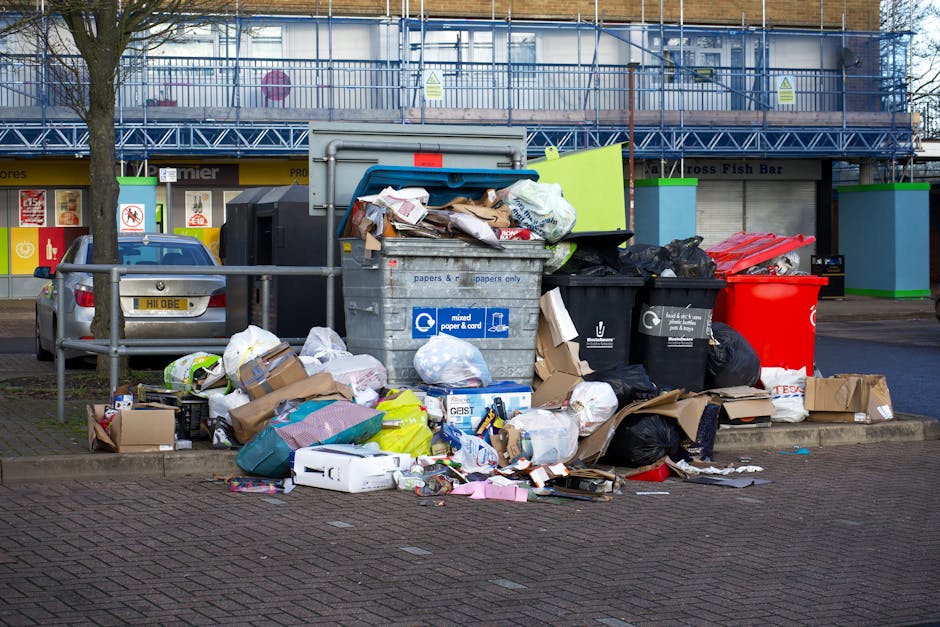
If you live in Norwood and you've got an old sofa by the hall, a broken wardrobe in the spare room, or a pile of awkward bits in the garden, bulky waste can suddenly become one of those jobs that sits there for weeks. Truth be told, it's never just "one item" for long. That's why understanding Croydon Council bulky waste permits explained for Norwood homes matters: it helps you avoid delays, extra costs, missed collections, and the slightly irritating surprise of finding out your plan doesn't quite fit the rules.
This guide breaks it down in plain English. You'll learn what the permit-style process usually means in practice, how bulky waste collections tend to work for local homes, what to check before you book anything, and when a private clearance service may make more sense than waiting for council options. If you want a broader look at household clearance support, you can also explore home clearance services in Norwood and related options such as furniture disposal or general waste removal.
Let's keep this practical. No fluff, no jargon-heavy waffle. Just the stuff that actually helps when you're standing in the front room looking at a bulky item that somehow grew overnight.
Why Croydon Council bulky waste permits explained for Norwood homes Matters
Bulky waste sounds straightforward until you need to move a real object through a real house. A mattress from the top floor. A heavy chest of drawers down a narrow staircase. A dismantled shed panel that won't fit in the car, even with the seats down and a bit of optimism. In Norwood homes, where layouts can be tight and access is often a little awkward, the difference between a smooth collection and a stressful one is usually preparation.
Understanding the permit or booking process matters because bulky waste is not the same as ordinary bin waste. Councils typically treat it as a separate collection type, which means there may be rules around what can be taken, how it must be presented, and whether additional permissions or arrangements are needed if waste is being placed on a public pavement, at a flat, or near a shared access point. If you have an item that's awkward, heavy, or partly dismantled, it is worth checking the process before you move anything.
For many Norwood households, the big issue is timing. Maybe you're clearing a room before new furniture arrives. Maybe a garage has turned into a storage cave. Maybe you're doing a tidy-up after a move and just want the place back to normal. The permit side of things can be the bit that slows everything down if you leave it until the last minute. And yes, it's a bit annoying. But it's easier than having to reorganise the whole week because a collection wasn't accepted.
Practical takeaway: bulky waste jobs usually go more smoothly when you confirm the council's rules first, measure the item, check access, and decide whether a council collection or a private clearance is the better fit.
If the item is part of a wider declutter, you may also find value in looking at house clearance or garage clearance, especially where several bulky items are involved rather than just one single piece.
How Croydon Council bulky waste permits explained for Norwood homes Works
In simple terms, the process usually involves telling the council what bulky item you want removed, where it is located, and when it can be collected. Depending on the exact service rules at the time, you may need to book a slot, confirm eligibility, or follow instructions for how the items must be left out. In some situations, particularly where waste is left in a shared area or on a public highway, a permit or specific authorisation may be involved. That is the bit many people miss.
For Norwood homes, access can shape the whole process. A terraced house with a narrow front path is very different from a ground-floor flat with rear access, and a maisonette with communal stairs adds another layer again. The practical question is not just "can the waste be collected?" but "can it be moved safely and legally without blocking neighbours, footpaths, or shared entrances?"
Here's the general flow you can expect in most council-style bulky waste arrangements:
- You identify the items and check they qualify as bulky waste.
- You confirm how the council wants the booking made and whether any permit or approval is needed.
- You prepare the item for collection, which may involve dismantling or separating materials.
- You place the waste where instructed, or arrange access for collection from inside or from a private boundary.
- The collection takes place on the agreed date, subject to the site being ready and compliant.
That sounds tidy on paper. In practice, a small snag can derail it. A sofa wrapped too tightly to move. A wardrobe left in two pieces but still too large for a narrow hallway. Rain that turns the driveway into a slippery mess at 7.30 in the morning. You know how these things go.
For households that prefer a faster route, a private clearance visit can remove the need to juggle collection rules in the same way. If the job includes mixed household items, you might also compare it with flat clearance or furniture clearance, depending on what needs shifting.
Key Benefits and Practical Advantages
Getting the bulky waste process right is not just about compliance. It saves time, reduces stress, and usually makes the whole property feel manageable again. That's no small thing when your hallway has become an obstacle course.
Here are the main advantages:
- Less uncertainty: You know what can be collected, what needs to be prepared, and whether any permit or access permission is needed.
- Fewer failed collections: Clear instructions reduce the risk of missed pickups caused by incorrect placement or unsuitable items.
- Better safety: You avoid carrying heavy items at the last minute, which is where most minor mishaps happen.
- Cleaner presentation: The property looks tidier sooner, which helps if you're selling, renting, or simply reclaiming space.
- More control over timing: You can choose a council collection if waiting time is acceptable, or use a faster private option if the job is urgent.
A lot of people focus on the item itself and forget the knock-on effect. A bulky chair in the wrong place can block a route, stop other cleaning work, and make a normal Tuesday feel weirdly complicated. Once the item is gone, the room often feels bigger straight away. Almost suspiciously bigger.
If your aim is to clear a whole area, you may also want to look at loft clearance for stored items or furniture disposal for single large items that are no longer useful.
Who This Is For and When It Makes Sense
This topic matters to a lot more people than you might think. It is not just for households with a broken sofa. It can be relevant if you are clearing a room after a family move, getting rid of a worn-out mattress, emptying a garage, or dealing with leftovers from renovation work.
It makes sense for you if any of these sound familiar:
- You have one or more large items that won't fit in normal bins.
- You need the item removed from a Norwood property with awkward access.
- You want to understand whether a council permit or booking rule applies.
- You prefer to stay on the right side of local waste rules without guesswork.
- You're comparing a council collection with a private clearance service.
It may be especially useful for residents in flats or properties with shared spaces. In those settings, the question is often not just disposal, but access, neighbour impact, and where items can be placed temporarily without causing a nuisance. That's where the details matter. A lot.
For homeowners doing a broader clear-out, a service like home clearance can be more practical than arranging separate removals for each item. And if the waste is mixed or includes odd bits from DIY work, builders waste clearance may be the better fit.
Step-by-Step Guidance
If you want to keep this simple, follow the sequence below. It is the closest thing to a stress-free path, and honestly, that's what most people need.
- List the items clearly. Write down exactly what needs removing. A "big cupboard" is less useful than "two-door wardrobe, 180 cm tall".
- Check the council requirements. Confirm whether the collection is booked as bulky waste, whether any permit or approval is required, and how the item must be presented.
- Measure access. Doorways, stairs, narrow hallways, shared gates, garden side returns. Measure the stuff that matters, not just the item itself.
- Decide what can be dismantled. Breaking down a bed frame or wardrobe can make everything easier, but only if it can be done safely.
- Separate reusable and recyclable items. Sometimes the simplest way to reduce hassle is to split the job into categories rather than treating everything as one heap.
- Prepare the collection point. Keep walkways clear and follow any instructions for where items should be left.
- Confirm the date and time window. If collection timing matters, make sure someone is available and the items are ready before the crew arrives.
- Keep evidence if needed. For landlords, managing agents, or business-related properties, photos and booking confirmations can be surprisingly useful.
One small but useful habit: take a photo before and after. It helps if there's any confusion later, and it gives you a proper sense of progress. Tiny victory, but still a victory.
If you're unsure whether a one-off council collection is enough, compare it with waste removal for a wider job or furniture clearance if the clutter is mostly large household items.
Expert Tips for Better Results
There are a few habits that make bulky waste jobs much smoother. None of them are dramatic. They just save time, which is usually the real win.
- Pre-sort before you book. Keep bulky items separate from general rubbish and reusable goods. It makes the job clearer for everyone.
- Check weight as well as size. A small item can still be ridiculously heavy. An old solid-wood sideboard is a classic example.
- Think about weather. If the collection point is outdoors, rain can turn cardboard, fabric, and chipboard into a mess fast.
- Use the easiest exit route. Don't force items through the narrowest part of the property if there's a better route. Obvious, maybe. But people miss it all the time.
- Ask about special items. Some materials and objects need extra care, even if they are classed as household waste.
Here's a slightly unglamorous truth: the success of a bulky waste job often comes down to the five minutes before the crew arrives. If everything is positioned well, sorted sensibly, and easy to access, the whole thing feels almost effortless. Almost. Let's not get carried away.
For items stored in outbuildings or cluttered side spaces, garage clearance and garden clearance can be useful supporting services, especially where waste has built up over time rather than arriving all at once.
Common Mistakes to Avoid
Most bulky waste problems are avoidable. They usually happen because someone assumed the collection was simpler than it really was. Fair enough, but still avoidable.
- Leaving it too late: If you need a permit, booking slot, or special access arrangement, last-minute planning is a recipe for stress.
- Assuming every item is accepted: Not all bulky items are treated the same way, especially if they contain mixed materials or need special handling.
- Blocking access routes: A collection can fail if the item is placed where it causes an obstruction, even briefly.
- Not checking shared property rules: Flats and maisonettes often have separate access expectations, and a neighbour complaint can complicate things.
- Forgetting dismantling limits: A wardrobe that "should" come apart may still be awkward, unsafe, or damage the property if rushed.
Another common slip is underestimating the emotional side of clearing a home. Old furniture can carry memories. That matters. People often stand in a room for a minute or two before deciding what to keep, what to move on, and what to let go. That pause is normal.
If you need a more comprehensive approach for inherited belongings or a full property reset, house clearance can be a more sensible route than tackling each bulky item separately.
Tools, Resources and Recommendations
You do not need specialist equipment for every job, but a few simple tools can make the process safer and quicker. In many Norwood homes, the difference is a basic one: clear space first, move carefully second.
Useful items to have ready:
- Measuring tape for doorways and items
- Work gloves for grip and protection
- Protective floor covering if heavy items need dragging or lifting
- Basic tools for dismantling furniture, if appropriate
- Strong tape or ties for keeping components together
- Phone camera for before-and-after photos
For trusted service information, it helps to look at the company's own pages before booking anything. You can review about the team, check pricing and quotes, and read the recycling and sustainability approach if you want to understand how materials are handled after collection.
If your priority is reassurance around safety and payment, the pages on insurance and safety and payment and security can help you judge whether the service feels right for your situation. Small detail, but it matters.
Law, Compliance, Standards, or Best Practice
For bulky waste, the main point is simple: waste should be handled in a way that is lawful, safe, and consistent with local requirements. Exact council procedures can change, so it is always sensible to confirm the current Croydon Council rules before you set anything out. If a permit, booking reference, or placement instruction is required, follow it carefully.
Good practice usually includes the following:
- Do not obstruct pavements, entrances, or shared routes.
- Keep items within the boundary or location specified by the collection provider.
- Separate waste types where requested.
- Make sure heavy lifting is done safely.
- Use a properly insured and accountable provider for larger or more complex jobs.
There is also a common-sense side to all this. If an item can be reused, donated, or recycled responsibly, that is often better than treating it as a pure disposal problem. In real life, good waste practice is rarely just about "getting rid". It is about getting rid properly.
For customers who want a service that sits comfortably alongside everyday household compliance, the pages for terms and conditions, health and safety policy, and complaints procedure can also provide useful reassurance before a booking.
Options, Methods, or Comparison Table
If you are choosing between a council route and a private clearance route, it helps to compare them side by side. The best option depends on the size of the job, how quickly you need it done, and how awkward the access is.
| Option | Best for | Typical strengths | Possible downsides |
|---|---|---|---|
| Council bulky waste collection | Single items or small quantities | Simple for straightforward jobs, local process, suitable for planned clear-outs | May involve waiting, booking rules, item restrictions, or permit-style requirements |
| Private bulky item removal | Urgent jobs, awkward access, multiple items | Flexible timing, helpful for mixed waste, easier when the property is cluttered | May cost more depending on volume and complexity |
| Full home or room clearance | Large declutters, moves, inherited property contents | Most efficient for bigger projects, can save repeated trips | May feel like more service than you need for one item |
| DIY disposal | Very small, manageable loads | Good control over timing if you already have transport | Heavy lifting, fuel, time, access to disposal site, and possible hassle |
For many Norwood households, the decision comes down to this: if it is one manageable item and the council process is clear, the council route may be fine. If you have several bulky pieces, mixed waste, or a tight deadline, a private option is often the calmer choice. And calmer counts for a lot.
Case Study or Real-World Example
A typical Norwood example might look like this. A family is replacing a worn sofa, two armchairs, and a broken bookcase after a long-overdue lounge refresh. The old pieces are already taking up half the room, and the new furniture is due the next morning. The temptation is to rush. But a quick check shows the rear access is narrow, the bookcase needs dismantling, and the collection point can't block a shared walkway.
Instead of dragging everything outside and hoping for the best, they measure the route, separate the pieces, and decide to book a service that can handle the whole lot in one visit. The result is simple: less faffing, no damaged walls, no awkward conversation with the neighbour about the path, and a room that finally feels usable again by evening.
That's the real benefit of understanding bulky waste permits and collection rules. It does not just help with compliance. It helps the day go normally. Which, on a messy week, is rather underrated.
Practical Checklist
Use this checklist before you arrange collection or move bulky waste outside:
- Confirm the item qualifies as bulky waste.
- Check whether Croydon Council requires booking, authorisation, or a permit-style arrangement.
- Measure the item and the access route.
- Decide whether dismantling is safe and practical.
- Remove smaller loose items from inside the bulky object.
- Keep walkways, doors, and shared access clear.
- Separate reusable, recyclable, and general waste where possible.
- Take photos if you need a record.
- Confirm the date, time, and presentation instructions.
- Have a backup plan if weather or access becomes a problem.
If your job is turning into more than a single item, it may be worth comparing office clearance for work-related contents or builders waste clearance if the bulky waste came from renovation or repair work.
Conclusion
When people search for Croydon Council bulky waste permits explained for Norwood homes, they are usually looking for one thing: certainty. They want to know what can be removed, how to arrange it, and how to avoid the awkward middle bit where nothing is quite ready and the collection day is somehow already here.
The main lesson is straightforward. Check the rules first, prepare the item properly, and choose the disposal route that matches the size and urgency of the job. For some homes, the council route is perfectly suitable. For others, especially where there are multiple items, tight access, or a deadline looming, a private clearance service is the calmer and more efficient answer.
Whatever route you take, a little planning goes a long way. It keeps the process safe, legal, and much less frustrating than it needs to be. And honestly, that is usually enough to feel like progress.
Get a free quote today and see how much you can save.
If you want to speak with a local team about a bulky item, household clear-out, or mixed waste job, the best next step is to review the service details and make a quick enquiry through the site. A short conversation now can save a lot of lifting later.
Frequently Asked Questions
What does bulky waste mean for a Norwood home?
Bulky waste usually means large household items that do not fit in normal bins, such as sofas, wardrobes, mattresses, tables, or broken appliances. In a Norwood home, it often comes up during a move, a redecorating project, or a long-overdue clear-out.
Do I always need a permit for bulky waste collection?
Not always. It depends on how the collection is arranged, where the waste is placed, and whether the council treats the job as needing a specific authorisation or booking condition. The safest approach is to check the current Croydon Council process before setting anything out.
Can I leave bulky waste on the pavement outside my house?
Only if the collection instructions specifically allow it. In many situations, leaving items on a pavement without permission can cause an obstruction or lead to the collection being refused. That is one of those small details that causes big headaches.
What if my bulky item is too heavy to move safely?
Do not force it. Heavy items often need two people, proper lifting technique, or professional removal. If an item is awkward, damaged, or impossible to get through the property safely, a clearance service is usually the better option.
Are there items that councils often refuse as bulky waste?
Yes, some items may need separate handling depending on their material, condition, or contents. For example, mixed waste, construction debris, or items containing hazardous material may not be handled through a standard bulky waste route.
Is a private waste removal service faster than the council?
Often, yes. Private collections are usually more flexible with timing and can be better for urgent or multi-item jobs. That said, the right choice depends on your budget, how quickly you need the space cleared, and how much there is to move.
What should I do before the collection day?
Measure the item, check access, follow any booking instructions, and make sure the waste is ready where it needs to be. If the item can be safely dismantled, do that in advance. A little prep saves a lot of fuss.
Can bulky waste be recycled?
Sometimes, yes. It depends on the item and the materials inside it. Furniture, metal parts, wood, and some appliances may be suitable for recycling or reuse if handled properly. You can read more about the company's approach on the recycling and sustainability page.
What if I live in a flat or maisonette in Norwood?
Flats and maisonettes often need extra care because of shared entrances, stairs, and communal areas. In those cases, it is important to check access arrangements and make sure the collection won't block other residents or create a nuisance.
How do I know whether council collection or private clearance is better?
If you have one straightforward item and time is on your side, a council route may work well. If you have several items, restricted access, or you need the work done quickly, private clearance is often easier and less stressful. That is usually the deciding factor.
Can a bulky waste job include other household items at the same time?
Yes, but only if the collection provider accepts them. A broader clearance can be more efficient when the job has grown beyond one item. In that case, services such as home clearance or furniture disposal may be more suitable than a single-item arrangement.
How can I prepare for a smooth bulky waste pickup?
Clear the route, check measurements, separate the items, and make sure you know exactly where they should be placed. If anything feels uncertain, ask questions before the booking day rather than after. That one habit saves a surprising amount of trouble.