Garden Clearance Norwood — Recycling and Sustainability
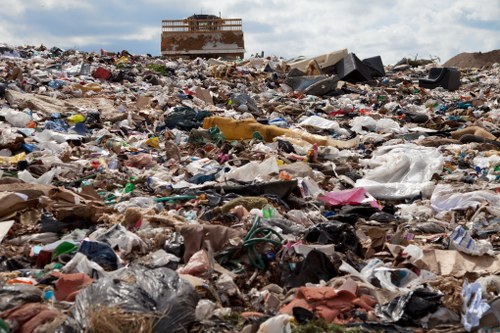
 Garden Clearance Norwood is committed to running an eco-friendly waste disposal area and creating a truly sustainable rubbish area for residents and businesses across Norwood and neighbouring boroughs. Our approach combines careful on-site segregation, partnerships with local reuse organisations, and an emphasis on reducing landfill through practical reuse and recycling. We work with householders, landscapers and small developers to ensure that green waste, timber, metals and inert materials are handled responsibly and treated as resources rather than rubbish.
We set an ambitious recycling percentage target for all clearances: 80% of materials recovered from garden clearances will be recycled or reused by 2028. That target covers organic composting, timber reclamation, metal recycling and diverting clean soil and aggregates to approved facilities. Reaching this goal requires a robust local network — including transfer stations, civic amenity sites and social enterprises — and continual improvement of our operations to lower carbon outputs.
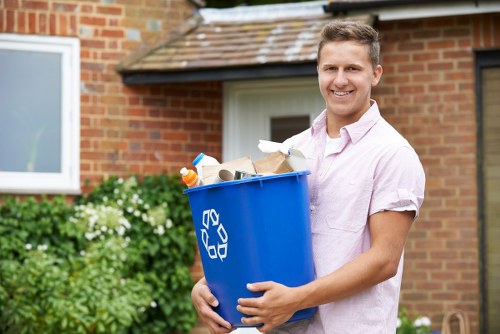
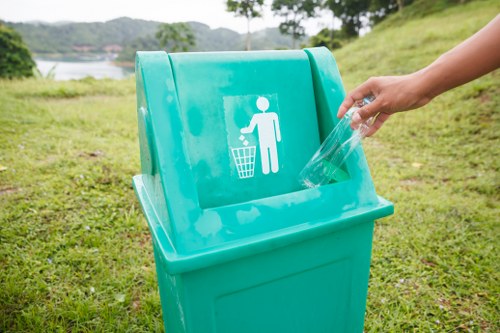 In practice, our Norwood garden clearance teams follow the boroughs' waste separation approach: organic garden waste is kept separate from mixed recyclables, bulky items are assessed for repair or reuse, and inert materials are segregated for recovery. This mirrors many London boroughs' systems — for example the two- or three-bin models used across Lambeth, Croydon and neighbouring councils — which help residents by simplifying what goes where and enabling higher recycling yields.
Local Transfer Stations and Recycling Hubs
We sort materials on-site where possible and transport sorted loads to local transfer stations and household waste recycling centres (HWRCs). Our usual destinations include civic amenity sites serving Lambeth and Croydon and licensed transfer stations in south London. These facilities accept green waste for composting, timber for chipping and reuse, and metals and hard plastics for processing. Using local hubs cuts vehicle miles and supports the circular economy by getting materials back into productive use quickly.
 Our partnerships with local reuse organisations and charities are central to our model. Usable items from garden clearances — planters, intact paving, garden furniture and certain timber elements — are offered to community groups and social enterprises. We collaborate with local charities and social landlords so that salvageable materials can be repurposed for community projects, low-cost housing improvements, and skills-training initiatives, reducing waste and creating social value.
To make these relationships tangible we maintain a simple procedure: assess potential reuse items on-site, log them for donation, and deliver or arrange collection with charity partners. This system turns what would be landfill into community benefit and supports local circular-economy activity that aligns with Norwood's sustainability goals.
Low-Carbon Fleet and Sustainable Operations
 Our fleet focuses on low-emission vehicles: a mix of electric vans, plug-in hybrids and modern Euro 6 diesel vehicles for heavier loads. We continually invest in route-optimisation software to reduce mileage and idle time, and we prioritise electric vehicles for inner-London work where charging infrastructure is available. This low-carbon van strategy directly reduces the environmental footprint of each clearance while keeping services reliable.
Operational sustainability also includes prevention of contamination at source. Clear labelling, client guidance pre-job, and clear segregation on-site reduce cross-contamination and improve the quality of recyclable streams at transfer stations. We train crews in best practises for sorting garden waste, separating compostable materials from treated timber and avoiding mixing soils with plastics so that the recycled output meets acceptance criteria for local processors.
 Our materials recovery list typically covers:
- Green waste: grass cuttings, branches, hedge trimmings (sent for composting or wood-chipping)
- Timber: untreated timber for reuse or chipping; treated timber assessed separately
- Metals and hard plastics: salvaged for metal recycling and plastic reclamation
- Soil and aggregates: screened and reused where possible to reduce quarrying demand
- Bricks and masonry: crushed or reclaimed for landscaping projects
We work with local boroughs to stay aligned with municipal waste strategies. That means acknowledging local schemes like separate food and garden waste collections, scheduled bulky-item pick-ups, and kerbside recycling rules. By mirroring these approaches during clearances — using labelled containers, following local sorting rules and taking materials to approved civic amenity sites — we support the broader municipal aim of higher diversion from landfill.
Community reinvestment is part of our sustainability commitment. When materials are suitable for reuse, we prioritise donation to charities and community projects before considering recycling. This reduces processing energy, extends the life of goods, and benefits local people and projects. We publicly report our diversion metrics and strive to improve the percentage of material reused, donated or recycled each year.
Our sustainable rubbish area strategy is evidence-led: regular auditing of recovery rates, collaboration with transfer stations, and continuous upgrades to our vehicle fleet. By combining a clear recycling percentage target, partnerships with local charities, and the use of low-carbon vans, Garden Clearance Norwood aims to be the local standard-bearer for eco-friendly garden clearance and responsible waste disposal.