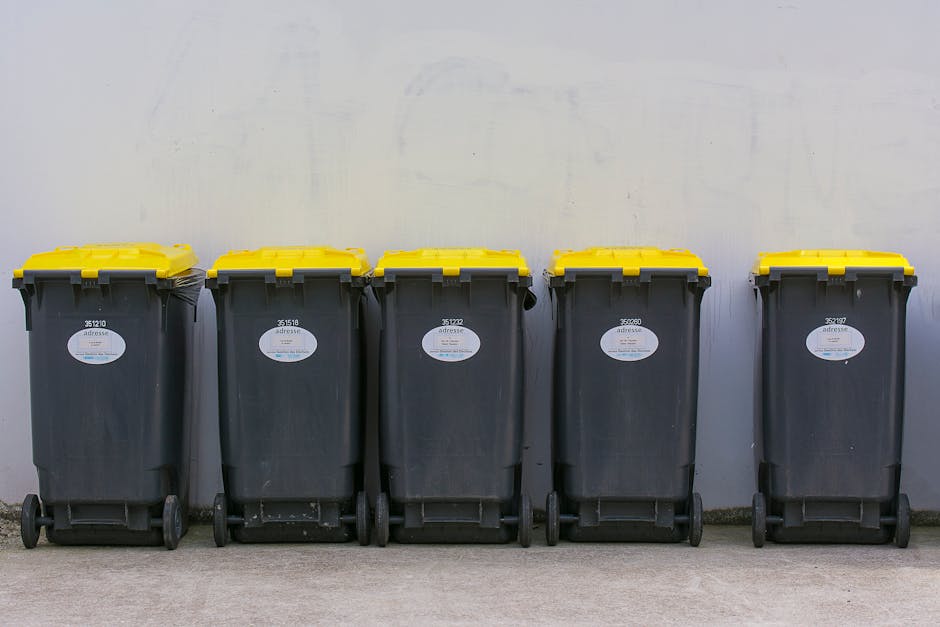
What to know about Lambeth Council rubbish disposal rules
If you live, work, or clear property in Lambeth, rubbish rules can feel annoyingly specific at the worst possible moment. One minute you are trying to get rid of a sofa, broken shelves, garden cuttings, or a pile of DIY waste; the next, you are wondering what belongs in the bin, what needs a booking, and what could land you with a mess on the pavement. This guide on What to know about Lambeth Council rubbish disposal rules breaks it all down in plain English, with the practical detail people usually wish they had before the van arrives, the bags are out, or the council collection window closes.
Truth be told, most waste problems are not about bad intentions. They come from small misunderstandings: using the wrong bag, leaving items out too early, mixing recycling with general waste, or assuming one person's "just a few bags" is the same as a proper bulky collection. Let's make it simpler.
In the sections below, you will find what the rules usually cover, how council waste collection and private clearance differ, where people go wrong, and how to choose the cleanest, least stressful route for your property. If you need extra support with household clearances, you can also look at home clearance services or explore waste removal options for larger jobs that are not a simple bin-night job.
One small note before we begin: council services can change, and some details depend on property type, collection schedules, or the kind of waste involved. So use this as a practical guide, and always double-check the latest local instructions where needed.
Table of Contents
- Why these rubbish disposal rules matter
- How Lambeth rubbish disposal usually works
- Key benefits and practical advantages
- Who needs this guidance and when it makes sense
- Step-by-step guidance
- Expert tips for better results
- Common mistakes to avoid
- Tools, resources, and recommendations
- Law, compliance, standards, and best practice
- Options, methods, and comparison table
- Case study or real-world example
- Practical checklist
- Conclusion
- Frequently asked questions
Why What to know about Lambeth Council rubbish disposal rules Matters
Waste disposal rules matter because rubbish affects more than the front of your home. It affects neighbours, missed collections, pest risk, pavement access, building safety, and whether your waste is handled lawfully. In a dense London borough like Lambeth, a bag left in the wrong place can quickly become everyone's problem. You hear the gulls, see the bin bags split open, and suddenly the whole street feels less tidy. Not ideal.
There is also a financial side. If waste is presented incorrectly, it may not be collected. If it is fly-tipped or dumped outside authorised times, it can create complaints or enforcement action. And if you are dealing with business premises, a flat conversion, or a shared building, the rules become even more important because one person's shortcut can affect the whole property.
For residents, the main value is straightforward: less confusion, fewer missed collections, and a cleaner way to clear rubbish without making a costly mistake. For landlords, agents, and small business owners, good waste habits also reduce the risk of awkward tenant handovers, estate issues, and avoidable clear-up work.
Expert summary: If you want the least stressful outcome, start by identifying the waste type, then decide whether it belongs in council collection, recycling, a booked bulky removal, or a specialist clearance. That one decision saves most headaches.
How Lambeth Council rubbish disposal rules Works
At a practical level, council rubbish disposal usually works through a mix of regular household collections, recycling services, and separate routes for larger or awkward items. The broad principle is simple: general rubbish goes one way, recyclable materials another, and bulky or specialist waste needs the right channel.
Here is the basic shape of it. Most households use standard bins or sacks for everyday waste and separate containers for recyclables where provided. Items that are too large, too heavy, or not suitable for ordinary collection usually need a separate arrangement. Think sofas, mattresses, wardrobes, builders' rubble, large garden waste, or bags left outside because you ran out of room on bin day. That last one causes more trouble than people expect.
The exact rules can depend on:
- your property type, such as a house, flat, or shared building;
- the waste stream, meaning general waste, recycling, food waste, garden waste, or bulky waste;
- whether items are bagged, boxed, bundled, or loose;
- collection day and presentation time;
- access issues, such as shared alleyways, narrow stairwells, or no front garden.
For example, a resident in a flat might need to follow different storage and collection arrangements from someone in a terraced house with a front kerb. And if you are clearing old furniture from a top-floor flat, the challenge is not just moving the item; it is also making sure it is removed in a way that suits the building and the rules. That is where a service such as flat clearance can be a practical option.
It also helps to remember that "rubbish" is not one single category. Old paint tins, fridges, rubble, electricals, and garden clippings each tend to be treated differently. Mixing them together is a classic mistake, and a boring one, but there we are.
Key Benefits and Practical Advantages
Following the rules properly is not just about avoiding a problem. It makes disposal easier, cleaner, and usually cheaper in time and stress.
1. Faster collections and fewer rejections
When waste is sorted correctly and placed out in the right way, it is much more likely to be collected on time. That matters when you are on a deadline, perhaps before a tenancy changeover or after a weekend clear-out.
2. Less risk of complaints
Shared streets, estates, and blocks of flats can generate complaints quickly if waste is left in communal areas, on pavements, or beside bins. Correct disposal is one of those quiet things that keeps neighbours on side. Not glamorous, but useful.
3. Better recycling outcomes
Separating recyclables and keeping contamination low improves the chance that materials are processed properly. If you care about reducing landfill, this is where the habit starts.
You can also align waste choices with broader sustainability goals through services that prioritise sorting and reuse, such as recycling and sustainability practices. That is especially relevant when you are clearing mixed household items and do not want everything treated as rubbish by default.
4. Safer handling of awkward waste
Broken furniture, sharp metal, and heavy bags are not just inconvenient; they are a lifting and injury risk. Getting the disposal route right helps avoid dragging a mattress down three flights of stairs at 7.30 in the morning. Nobody enjoys that. Nobody.
5. Better planning for big clearances
Once you understand the rules, you can plan a kitchen rip-out, garden overhaul, or loft clear-out around what can be taken by council collection and what needs extra support. That makes the whole job feel much more manageable.
Who This Is For and When It Makes Sense
This guidance is useful for a wide range of people, not just homeowners with overflowing bins. In practice, Lambeth rubbish disposal questions come up whenever someone is dealing with more than day-to-day waste.
- Homeowners clearing out lofts, garages, sheds, or spare rooms
- Tenants moving out and needing to leave a property tidy
- Landlords and agents dealing with end-of-tenancy rubbish
- Flat residents with access limits or communal bin storage issues
- Businesses that generate mixed waste, packaging, or office clutter
- Tradespeople managing builders' waste, rubble, and offcuts
- Families with bulky furniture or garden waste after a clear-up
The rules matter most when the waste is:
- too bulky for normal collection;
- too much for a standard bin;
- unsafe or awkward to move;
- mixed, such as furniture plus bagged rubbish plus electrical items;
- coming from a one-off project, not everyday household use.
For instance, if you are clearing a garage and find broken tools, boxes, old garden pots, a chair, and half a bag of rubble, that is already several waste types in one go. A quick call with a plan beats standing in the driveway at dusk wondering which pile goes where. Been there, seen that.
Where household disposal becomes too much to handle in one sweep, a more structured service such as garage clearance or loft clearance can save time and reduce the chance of putting the wrong thing out.
Step-by-Step Guidance
If you want the simplest route through rubbish disposal in Lambeth, use this approach. It keeps the process tidy and avoids the classic "we'll sort it later" trap, which rarely helps anyone.
- Identify the waste type.
Start by separating general rubbish, recycling, food waste, garden cuttings, electricals, furniture, and construction waste. If in doubt, sort into broad categories first, then refine. - Check whether it fits regular collection.
If it goes in the normal bin or approved container, great. If it does not, do not force it. Overfilled sacks and jammed lids are a shortcut to rejected waste. - Set aside bulky or specialist items.
Sofas, wardrobes, beds, appliances, and renovation debris usually need a different route. This is where a one-off clearance often makes more sense than trying to piece everything through the bins over several weeks. - Keep recyclable items clean and separate.
Food residue, liquids, and mixed materials can spoil recycling. A rinsed plastic tub is much easier to process than one filled with old soup, to put it politely. - Prepare items for collection.
Bag loose waste, flatten cardboard, secure sharp edges, and make sure items are accessible. If you live in a block, think about carrying distance, lifts, and shared hallways. - Decide whether council collection is enough.
If the waste is large, mixed, time-sensitive, or awkward, a professional clearance service can be the better option. That is especially true for larger property projects. - Book or arrange removal in advance.
Last-minute pile-ups often lead to waste being left out too early or in the wrong spot. A little planning avoids that rushed, messy feeling.
If the job involves household contents, old furniture, or a full property tidy-up, it may help to compare standard disposal with dedicated services like furniture clearance, furniture disposal, or house clearance. That comparison often makes the decision obvious.
Expert Tips for Better Results
In our experience, the best waste outcomes come from small habits, not heroic last-minute effort. A few sensible choices make a big difference.
Sort before you start carrying
Do the sorting where the waste is first gathered. If you carry everything to the kerb and then sort, you waste time and create clutter outside the property. It sounds obvious, but people forget when they are in a rush.
Use the right bags and containers
Thin bags split. Overfilled boxes collapse. A heavier-duty bag or a sturdy box can prevent a minor disaster on stairs, lifts, or wet pavement. Wet cardboard on a London morning is not fun, let's face it.
Think about access early
If waste has to move through narrow halls, shared entrances, or top-floor walk-ups, check whether the route is safe and practical. This matters a lot for flats and converted buildings. If access is awkward, a service designed for flat clearance or office clearance can be more efficient than trying to do it yourself.
Keep hazardous items separate
Paint, chemicals, solvents, and certain electrical items should never be chucked in with normal household waste. If you are not sure what something is, treat it cautiously and check the appropriate route first.
Choose reuse when possible
Not everything needs to become waste. Good-quality furniture, fixtures, or household items may be suitable for another use. A smart clearance approach often separates reusable items before disposal. That one step can reduce cost and reduce waste. Win-win.
Build in a little buffer time
Don't leave waste decisions until the evening before collection or the morning of a move. If there is a missed collection or an item needs separate handling, you want a bit of breathing room.
Common Mistakes to Avoid
Most rubbish disposal problems come from a handful of predictable mistakes. Once you know them, they are easy enough to dodge.
- Mixing waste types. Recycling contaminated with food, or rubble mixed with general rubbish, is a common cause of issues.
- Leaving items out too early. Waste left on the street at the wrong time can attract complaints or create a mess before collection.
- Overfilling bins or bags. If lids will not close, the load may be rejected. Heavy bags also tear more easily.
- Assuming bulky items count as normal waste. A sofa is not a bin bag, no matter how determined you feel at the time.
- Forgetting about access restrictions. Shared hallways, permit spaces, or stairwells can complicate collection.
- Ignoring specialist waste. Electricals, sharp materials, and renovation debris often need separate arrangements.
- Underestimating the job size. A few bags can become a van load very quickly once cupboards and sheds are opened.
A good rule of thumb: if you are hesitating over a waste item more than once, stop and identify it properly before it goes out. That small pause is usually worth it.
Tools, Resources and Recommendations
You do not need fancy tools to manage rubbish properly, but a few simple aids can make the process smoother.
- Sturdy gloves for broken items, garden debris, or dusty clear-outs
- Heavy-duty sacks for general waste that needs to be moved safely
- Marker pen and labels for separating recycling, donations, and disposal piles
- Measuring tape if you are checking whether furniture or appliances will fit through doors or stairwells
- Boxes or crates for small mixed items so they do not scatter
- Basic dust mask if you are clearing a loft, garage, or neglected storage area
As for services, choose the route that matches the job. For example, a cluttered spare room may suit home clearance, while an overloaded workspace may call for business waste removal. If the issue is mainly old chairs, wardrobes, or tables, then furniture disposal may be the cleanest fit.
For pricing, it helps to ask for a clear, itemised quote where possible and to understand what is included. If you want to compare options without guesswork, have a look at pricing and quotes. That can make planning much easier, especially on larger jobs.
Law, Compliance, Standards, or Best Practice
Waste handling in the UK sits within a broader compliance framework, even when the job looks small. You do not need to become a legal expert to dispose of rubbish correctly, but you should follow basic best practice.
At a sensible level, that means:
- using the correct disposal route for each waste type;
- not placing waste where it blocks access or causes nuisance;
- keeping hazardous or specialist materials separate;
- making sure a waste carrier or clearance provider is acting responsibly;
- protecting shared spaces, staff, visitors, and neighbours from avoidable hazards.
If you are hiring a company for disposal or clearance, ask the right questions. How will the waste be handled? Is recyclable material separated? How are heavy or sharp items managed? How is safety handled on site? These are fair questions, and a decent operator will answer them clearly.
For business users, the compliance angle matters even more. Office furniture, packaging waste, and building debris can create storage, fire, and access issues if left unmanaged. If your premises generate recurring rubbish, it may be worth looking at a planned service such as business waste removal or a more tailored builders waste clearance approach.
Best practice also includes insurance awareness, safe lifting, and careful handling around communal areas. If you are comparing providers, you may want to review insurance and safety information and the company's health and safety policy. That is not overcautious; it is sensible.
Options, Methods, and Comparison Table
Different disposal methods suit different situations. The right choice depends on volume, timing, access, item type, and how much effort you want to spend doing it yourself.
| Method | Best for | Pros | Limitations |
|---|---|---|---|
| Regular council collection | Everyday household rubbish and approved recycling | Simple, familiar, cost-effective for normal waste | Limited by bin size, schedule, and item restrictions |
| Bulky waste arrangement | Large household items such as furniture or mattresses | Good for single large pieces, less lifting than DIY | Needs correct booking and may not suit mixed loads |
| DIY transport to a disposal point | Small loads when you have a suitable vehicle | Flexible timing, can work for some one-off jobs | Requires labour, vehicle access, and time |
| Professional clearance service | Mixed, heavy, awkward, or time-sensitive waste | Efficient, practical, reduced lifting and sorting stress | Usually better value for larger jobs than tiny ones |
So which method is best? If you only have a few bagged items, council collection may be enough. If you are clearing a room, a flat, or a garage full of mixed clutter, a professional service usually makes more sense. Especially if stairs, parking, or deadlines are part of the picture.
Case Study or Real-World Example
Imagine a small flat in Lambeth after a tenant move-out. There is a bed frame, a chipped chest of drawers, two chairs, cardboard boxes, some old kitchen bits, and several black sacks of general rubbish. Nothing extreme on its own, but together it becomes a proper clearance job.
The first instinct might be to put the sacks out with the usual bins and leave the furniture for later. That sounds tidy in theory. In practice, it often leaves the hallway cluttered, the landlord frustrated, and the final clean delayed. If the building has limited storage and the items are awkward to move, the better approach is to separate the waste into categories, remove the reusable or recyclable bits, and arrange a proper clearance for the bulky pieces.
In this kind of situation, a flat-specific service such as flat clearance can reduce the back-and-forth. The items are lifted out in one planned visit, the route is managed with the building in mind, and the tenant or agent does not have to improvise. It is a small example, but it shows the point clearly: the right disposal route saves more than time. It saves stress.
Another very common scenario is a family clearing a garage or shed after years of "we might use that one day" storage. You know the sort: damp cardboard, a broken chair, garden pots, old paint tins, and a surprising amount of dust. A careful clear-out starts with sorting, then moves to the right removal route, rather than dragging everything to the kerb and hoping for the best.
Practical Checklist
Use this checklist before you put rubbish out or book removal. It is simple, but it catches a lot of avoidable issues.
- Have I identified the waste type correctly?
- Is any of it recyclable, reusable, or hazardous?
- Will it fit the regular bin or approved container?
- Does it need special handling because it is bulky, sharp, heavy, or contaminated?
- Have I checked the collection timing and access route?
- Are bags secure and containers manageable?
- Is the waste likely to block pathways or shared spaces?
- Do I need help with a one-off clear-out rather than routine disposal?
- Have I compared the job size with the simplest removal option?
- Do I need a quote or a second opinion before moving anything?
If you can answer those questions confidently, you are probably in good shape. If not, pause and sort it out before the waste starts multiplying on the driveway. It has a habit of doing that.
Conclusion
Understanding What to know about Lambeth Council rubbish disposal rules is mostly about making sensible choices early. Sort waste properly, separate bulky or specialist items, respect collection timing, and use the right route for the job. That simple approach keeps streets cleaner, reduces mistakes, and makes the whole process far less frustrating.
For small everyday waste, council collections may be enough. For mixed loads, moving deadlines, awkward access, or full-property clear-outs, a more structured service can save time and protect your sanity a bit. The trick is to match the method to the mess, not the other way round.
Get a free quote today and see how much you can save.
And if you are still staring at a pile of items wondering where to begin, start with one bag, one box, one decision. That is usually enough to get the ball rolling.
Frequently Asked Questions
What counts as rubbish under Lambeth Council disposal rules?
Usually, it includes general household waste, food waste, recycling, garden waste, bulky items, and anything that needs a specific collection route. The important part is not the word "rubbish" itself, but which waste stream the item belongs to. A chair, a bag of food waste, and a broken kettle do not belong in the same place.
Can I leave extra bags next to my bin if it is full?
That is often where problems begin. Extra bags may not be collected if they are outside the approved arrangement, and they can attract pests or complaints. If you regularly produce more waste than your bin can handle, you will probably need to rethink the disposal method.
What should I do with bulky items like sofas or wardrobes?
Bulky items usually need a separate route from normal bin waste. You can look at council bulky collection options where available, or use a clearance service if the load is mixed, large, or time-sensitive. For furniture-heavy jobs, furniture clearance or furniture disposal can be much easier than trying to break everything down yourself.
Are recycling rules strict in Lambeth?
Recycling is generally stricter than general waste because contamination can ruin a load. Keep food, liquids, and non-recyclable materials out of recycling containers. Clean, empty, and separated materials usually have the best chance of being processed properly.
Can I put garden waste in with household rubbish?
Usually not if you want the cleanest and most compliant result. Garden waste is often better handled separately, especially if there is a lot of soil, branches, clippings, or mixed green waste. For larger outdoor clearances, a garden clearance service may be the simplest option.
What happens if I put waste out too early?
Waste left out too early can create nuisance, block pathways, or be damaged before collection. In shared areas, it can also lead to complaints from neighbours or building managers. Timing matters more than people think. A lot more, actually.
Do I need a professional service for a house clearance?
Not always, but it is often worthwhile if the property contains a lot of mixed contents, large furniture, or access challenges. A house clearance is usually more efficient than handling everything in stages, especially when you are under time pressure.
How do I know whether I need builders' waste clearance?
If the waste includes rubble, plasterboard, timber offcuts, broken tiles, or other renovation debris, builders' waste clearance is often the right fit. Construction waste should not be treated like ordinary household rubbish because it is heavier, messier, and more likely to need specialist handling.
Is office rubbish treated differently from household rubbish?
Often, yes. Office waste can include paper, packaging, furniture, electronics, confidential materials, and regular rubbish all at once. A planned office clearance or business waste arrangement is usually more practical than trying to use standard household collection logic.
What if I am not sure which waste type something belongs to?
When in doubt, pause and sort it out before disposal. Separate the item from the rest, identify whether it is recyclable, reusable, or specialist waste, and then choose the safest route. That little extra check can prevent a collection issue later.
How can I keep disposal costs under control?
Sort waste before collection, remove reusable items first, avoid mixing waste types, and only book the level of service you actually need. If you are comparing options, a clear pricing page or written quote helps you see whether a small job is better handled through council collection or a one-off clearance service.
Where can I get more help with a larger clearance job?
If you are dealing with a house, flat, garage, loft, office, or mixed waste load, a tailored removal service is often the most practical route. For more detail on the team, you can also look at about us and, when you are ready, use the contact page to ask a question or request help.