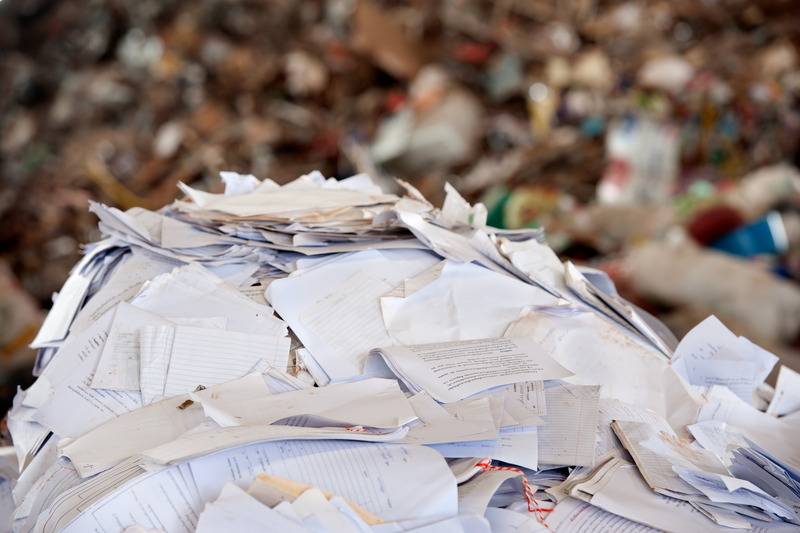
Challenges and Solutions in Packaging and Cardboard Disposal
Packaging waste piles up faster than most businesses expect. One good promotion, and suddenly the back-of-house is a maze of corrugated mountains, tape fronds, and awkwardly stacked pallets. You can almost smell the cardboard dust in the air. To be fair, it's not glamorous work - but getting packaging and cardboard disposal right is one of those quiet, strategic wins that saves cash, space, and stress week after week.
This long-form guide unpacks the real-world challenges and solutions in packaging and cardboard disposal across the UK context. It's written for warehouse leads, ops managers, sustainability teams and founders who need practical, credible, and compliant ways to cut waste and costs without slowing the business down. We'll cover equipment, regulations, best practice, and smart workflow design. And yes, we'll talk balers, rebates, and right-size packaging too.
Truth be told, we've all felt that Tuesday afternoon scramble: a delivery lands, goods fly out, empties stack up, someone drags a bin bag across the floor, a tape gun clatters, and the fire exit starts to look suspiciously blocked. There's a better way. Below, you'll find it.
Table of Contents
- Why This Topic Matters
- Key Benefits
- Step-by-Step Guidance
- Expert Tips
- Common Mistakes to Avoid
- Case Study or Real-World Example
- Tools, Resources & Recommendations
- Law, Compliance or Industry Standards (UK-focused)
- Checklist
- Conclusion with CTA
- FAQ
Why This Topic Matters
The UK uses millions of tonnes of packaging each year, with paper and cardboard accounting for a significant share. Government statistics typically show paper and cardboard packaging recycling rates exceeding 70%. That's encouraging, but it masks the day-to-day friction: contamination, storage constraints, irregular collections, and mis-specified packaging that creates waste in the first place. The challenges and solutions in packaging and cardboard disposal aren't just about bins and pickups - they're about cost control, compliance, and brand reputation.
Why it matters now:
- Costs are rising. Waste collections, storage, and inefficiency chew margins. Conversely, well-managed OCC (Old Corrugated Containers) can earn rebates depending on market conditions.
- Regulations are tightening. UK Extended Producer Responsibility (EPR) for packaging is rolling out, shifting costs of managing packaging waste back to producers. Data reporting has begun, with full fees expected in stages.
- Customers notice. Oversized boxes and messy returns don't inspire confidence. Sustainable, right-sized packaging does.
A small micro-moment from a warehouse in Croydon: a team paused to listen to the sudden hush after they installed a vertical baler. No more constant bin runs. Just neat, dense bales. It wasn't magic. It was process.
Key Benefits
Getting packaging design and cardboard disposal right delivers a mix of fast wins and long-term resilience. Here are the benefits we see most often when tackling the challenges and solutions in packaging and cardboard disposal holistically:
- Lower operating costs - Fewer collections, smaller bins, better rebates on baled OCC, and less labour wasted on double-handling.
- Space efficiency - Flattening and baling free up aisle space and keep exits clear. Clean, clear, calm. That's the goal.
- Improved safety - Controlled waste routes reduce slip and fire risks; training and proper equipment reduce manual handling injuries.
- Compliance made simple - Proper segregation and documentation meet Duty of Care. Audits get easier overnight.
- Brand and customer experience - Right-sized boxes and recyclable materials look professional and cut returns damage.
- Environmental performance - Higher recycling rates and packaging reductions feed directly into ESG metrics and reporting.
- Operational flow - Predictable waste movements reduce interruptions; pick, pack, and dispatch keep their rhythm.
One ops manager in Manchester put it simply: "We weren't expecting that much space back." Yeah, we've all been there.
Step-by-Step Guidance
Here's a pragmatic, field-tested approach to solve the everyday challenges and solutions in packaging and cardboard disposal. Follow it in order and tweak as needed for your site size and sector.
-
Do this first: Map the waste flow. Walk the site, preferably during peak. Where do cartons arrive? Where are empties opened, flattened, and staged? Where do they pile up? Note bottlenecks and safety issues. Take quick photos and timestamps. You'll see patterns you can't unsee.
-
Baseline the numbers. Track weekly cardboard volumes, collection frequency, bin sizes, and any rebates or fees. Estimate weight: a standard 1100L bin of loosely packed cardboard might only hold 15-20 kg. Baled OCC, by contrast, stacks dense: 300-500 kg per bale depending on baler size.
-
Segregate at source. Create a dedicated OCC stream away from general waste. Use large, clearly labelled cages or stillages. Keep cardboard dry; moisture kills value and recyclability. If you operate in the UK, follow the Waste Hierarchy: prevent, reduce, reuse, then recycle. That's not just a slogan - it's law-informed good sense.
-
Flatten immediately. Train staff to slit tape and flatten cartons at the workstation. Provide safety knives and a simple routine: empty -> flatten -> stack -> move. The sound of a box collapsing flat is oddly satisfying - and it saves steps later.
-
Choose the right baler (or compactor). For cardboard, vertical balers are usually best for SMEs. As a rough guide: 50-200 kg balers for smaller sites; 300-500 kg mill-size balers for high volumes that qualify for best rebates. If your waste mix is more general (not just cardboard), a compactor may suit - but it won't earn OCC rebates like clean bales do.
-
Site it smartly. Place the baler on the natural waste route, not across the warehouse. Leave space for tipping trolleys, pallets, and bale ejection. Allow safe access; follow HSE guidance. If it was raining hard outside that day, would your bale store get soaked? If yes, rethink cover and drainage.
-
Train your team. Under PUWER (Provision and Use of Work Equipment Regulations 1998), staff must be trained and equipment guarded. Include lock-out/tag-out procedure, safe use of strapping, and manual handling. Refresher training every 6-12 months. Keep records.
-
Set a bale standard. Agree on bale size, weight, strapping, and contamination tolerance with your recycler. Reference EN 643 grades (e.g., OCC often aligns to EN 643 1.05). Consistency boosts rebate rates and avoids rejections.
-
Schedule reliable collections. Fixed day, fixed time reduces floor build-up. Explore backhaul with your own vehicles if you have multi-drop routes returning to a depot. For multi-site operations, consolidate to hit full loads and better pricing.
-
Optimise upstream packaging. Right-size boxes, reduce SKUs where sensible, and switch from mixed-materials to mono-materials for easy recycling. Tools like carton sizers and pack design software help reduce void fill. Less in means less out.
-
Document for compliance. Keep waste transfer notes (or season tickets) for each collection, note the European Waste Catalogue (EWC) code for paper/cardboard, and verify your carrier's licence on the Environment Agency register. Store records for at least two years (longer if you can).
-
Review monthly. Track bale counts, average weights, rebates, and void fill use. Note seasonal spikes (Black Friday, Christmas, summer sales). Adjust staffing and collection schedules accordingly. Small iterations, big gains.
Ever tried clearing a room and found yourself keeping everything? Cardboard workflows can feel like that. Decide once, write it down, and make the easy thing the right thing.
Expert Tips
Deepen your approach with these practitioner-level ideas that address the more nuanced challenges and solutions in packaging and cardboard disposal:
- Source packaging with end-of-life in mind. Prefer mono-material corrugated, water-based inks, and minimal plastic laminates. Ask suppliers for recyclability statements aligned to BS EN 13430.
- Use FEFCO codes to standardise SKUs. For example, FEFCO 0201 (regular slotted case) covers most needs. Where returns are frequent, consider FEFCO 0427 (hinged lid) to reduce tape use and make opening quieter and cleaner.
- Right-size with simple tech. Carton sizers or automated fit-to-size machines reduce void and damage. Even a manual carton reducer can cut pack time and filler use.
- Keep cardboard dry. Store bales under cover, off the floor, and away from sprinklers that could soak stacks. Damp OCC loses value and may be rejected.
- Negotiate rebates with transparency. Link pricing to a published index where possible. Ask for weighbridge tickets. Quality photos of your bales help maintain trust.
- Design a visual management system. Floor markings for cardboard zones, colour-coded bins, and a simple poster explaining yes/no items. Beats a thousand reminders.
- Capture small offcuts. Die-cutting or kitting operations create clean, high-quality scrap. Keep it separate for premium-grade recycling.
- Align with incoming packaging. Ask suppliers to avoid excessive tape and plastic strapping on inbound cartons. Supplier scorecards help here.
- Plan for peaks. Bring in a temporary cage or an extra collection before a sale period. It's cheaper than an emergency clear-out.
- Measure what matters. Track kg of OCC per 100 orders or per ?1000 revenue. Benchmarks motivate without finger-pointing.
Small aside: the quiet joy of a well-tied, square bale? You'll see why.
Common Mistakes to Avoid
We see these pitfalls again and again when tackling the challenges and solutions in packaging and cardboard disposal:
- Mixing materials - Windowed cartons with plastic film attached, waxed board, or food-soiled boxes will contaminate OCC if not separated.
- Letting cardboard get wet - Rain, leaks, or even mopping near stacks. Damp bales sag, mould, and drop in grade.
- Over-compacting with contaminants - A stray metal strap or tool in a bale can damage mill equipment. That's a fast way to lose a buyer.
- Blocking emergency exits - It's illegal and dangerous. Keep egress clear and signposted.
- Under-training - Baler injuries are rare with proper training. Without it? Not worth the risk. PUWER requires competence.
- Chasing the lowest price only - Collection reliability, quality of documentation, and contamination thresholds matter as much as headline rates.
- A one-size-fits-all box range - Too few sizes mean more void fill, damage risk, and higher outbound weights.
- No data trail - When EPR reporting calls, you'll wish you had weight records and materials breakdown to hand.
It doesn't have to be perfect. It just needs to be consistently good.
Case Study or Real-World Example
Sector: D2C homeware brand, London; Volume: 800-1,000 orders/day; Site: 1,500 m? fulfilment centre.
Starting point. Cardboard everywhere. Two 1100L bins of loose OCC collected five times a week. Average weekly cost, including overage fees: significant and rising. Staff were doing constant bin runs, and the fire marshal wasn't happy about the pile near the loading bay.
Intervention.
- Introduced segregation at pick stations with fold-flat routines and safe knives.
- Installed a 300-500 kg vertical baler near the outbound dock; set bale weight targets and a simple quality checklist.
- Switched to a three-tier box range and added a carton sizer for odd items. Reduced plastic void fill by favouring kraft paper and better fit.
- Agreed EN 643-aligned bale spec with recycler; scheduled twice-weekly collections with weighbridge tickets and rebate formula.
- Trained eight staff under PUWER, plus monthly toolbox talks.
Results after 12 weeks.
- Loose collections eliminated; bales averaged 420 kg with minimal contamination.
- Floor space reclaimed: about 35 m? - enough for a new returns station.
- Outbound packaging weight reduced ~18% per order; damage on fragile SKUs down ~12%.
- Net cost swung positive with OCC rebates (market-linked), saving several thousand pounds per quarter.
- Fire exits kept clear; audit documented with photos and transfer notes.
There was a small moment on a drizzly Thursday: the ops lead stood by the baler, listened to the quiet click of strapping, and grinned. The rush felt less chaotic. That matters.
Tools, Resources & Recommendations
To address the challenges and solutions in packaging and cardboard disposal at scale, invest in fit-for-purpose kit and credible guidance:
Equipment
- Vertical balers - 50-200 kg for smaller sites; 300-500 kg for mill-size bales and best transport efficiency. Look for CE marking, interlocks, low-noise operation, and straightforward bale ejection.
- Compactors - Useful where mixed waste dominates. Not ideal for OCC value recovery, but good for reducing general waste lifts.
- Carton sizers and right-size systems - From manual reducers to automated fit-to-size machines; reduce void, filler, and damage.
- Stillages, cages, and pallet boxes - Keep OCC tidy and off wet floors. Clear signage prevents mix-ups.
- Moisture control - Simple covers, pallets, and indoor storage corners. If your site sweats in summer, watch condensation near dock doors.
- Safety knives and PPE - Reduce cut risks, speed up flattening, and keep processes consistent.
Standards and specifications
- EN 643 - European List of Standard Grades of Paper and Board for Recycling; align your OCC to a grade like 1.05 for predictability.
- BS EN 13430 - Packaging recoverable by material recycling; useful when specifying recyclable packaging.
- ISO 18601 series - General requirements for packaging and the environment; reference for design teams.
Practical resources
- WRAP (UK) - Guidance and tools on packaging optimisation and recycling.
- Environment Agency - Waste carrier licence checks and Duty of Care guidance.
- Recycle Now - Public-facing guidance; handy for staff training and signage language.
- HSE - Machinery safety and PUWER resources; compactors and balers must be operated safely.
- Packaging data systems - For EPR reporting; ensure weight by material is captured and auditable.
Tip: ask suppliers for FSC-certified paper and board where possible, and check consistency across batches. Squashy board makes for poor bales and grumpy packers.
Law, Compliance or Industry Standards (UK-focused)
Compliance underpins trust. Here's what UK businesses should know when addressing the challenges and solutions in packaging and cardboard disposal:
- Environmental Protection Act 1990, Section 34 (Duty of Care) - You must ensure waste is managed safely and only transferred to authorised persons. Keep records (waste transfer notes) and describe waste accurately.
- Waste (England and Wales) Regulations 2011 - Introduce the Waste Hierarchy; you must take all reasonable steps to apply it: prevent, prepare for reuse, recycle, recover, then dispose.
- Producer Responsibility Obligations (Packaging Waste) Regulations - Historically required obligated producers to finance recovery and recycling via PRNs/PERNs. The UK's updated EPR for Packaging regime is phasing in, with data reporting already started for many producers and fees expected to follow in stages.
- Duty of Care Code of Practice - Sets out how to comply with Section 34; keep accurate descriptions, EWC codes, and carrier details.
- Waste Carrier Licence - Anyone carrying waste for others must be registered. Verify your contractor on the Environment Agency public register.
- Health and Safety: PUWER 1998 - Provision and Use of Work Equipment Regulations. Baler operators must be trained and equipment maintained with proper guarding.
- Fire prevention - For larger waste storage, Environment Agency Fire Prevention Plan guidance may apply. Even for small sites, store bales responsibly: height and spacing matter.
- Standards - Use EN 643 for OCC grading, BS EN 13430 for recyclability design, and consider ISO 14001 for environmental management systems.
Always keep your paperwork tight: waste transfer notes, service contracts, licenses, and training records. When the auditor visits, clarity is calm.
Checklist
Use this quick list to stay on top of the challenges and solutions in packaging and cardboard disposal:
- Walk the flow - Map where cardboard is created and moved.
- Segregate - Clear zones for OCC; keep it dry.
- Flatten - Equip stations with knives and simple prompts.
- Baler selection - Size for volume and rebate potential; site correctly.
- Training - PUWER-compliant, refreshed regularly.
- Quality spec - EN 643 grade agreed with recycler.
- Collections - Fixed schedule, weighbridge tickets if possible.
- Right-size packaging - Reduce SKUs cautiously; cut void.
- Documentation - Waste transfer notes, licences verified.
- Monthly review - Bales, rebates, safety checks, peak planning.
Pin it to the noticeboard. Simple helps.
Conclusion with CTA
The real challenges and solutions in packaging and cardboard disposal are about rhythm. A steady flow of right-sized packaging in, clean, dry OCC baled out, and a tidy, safe space in between. Do the basics beautifully and the benefits compound: lower costs, happier teams, stronger compliance, and a brand that feels as responsible as it sounds.
Whether you're a first-time baler buyer or optimising a multi-site waste stream, the steps above will get you from clutter to control. And if you want a hand benchmarking volumes, sizing equipment, or negotiating a fair OCC rebate, that's what we do all day.
Get a free quote today and see how much you can save.
Take a breath. You're closer than you think.
FAQ
Can wet or greasy cardboard be recycled?
Generally no. Moisture weakens fibres and grease contaminates. Keep cardboard dry and free of food. Clean pizza boxes? Maybe the lid, if it's grease-free. The rest should go to general waste or composting if available.
Do we need a baler, or will loose collections do?
If you generate more than a few 1100L bins of cardboard weekly, a baler usually pays back quickly via fewer lifts and potential OCC rebates. Loose collections waste space and time; bales stack neatly and ship efficiently.
What size baler should we choose?
Match the baler to your volume and space. As a guide: 50-200 kg balers for smaller sites; 300-500 kg (mill-size) for high volumes and best pricing. Consider door size, power, and bale ejection needs. Ask suppliers for a site survey.
How do OCC rebates work?
Rebates depend on global pulp markets and quality. Agree a formula linked to an index if possible, confirm EN 643 grading, and request weighbridge tickets. Keep bales clean and consistent to maintain rates.
Is tape and labels on boxes a problem?
Small amounts of paper or plastic tape and labels are usually acceptable. Remove large plastic laminates, film windows, or heavily waxed coatings. When in doubt, check your recycler's contamination thresholds.
How should we store bales safely?
Store on pallets, under cover, and away from heat sources and sprinklers. Keep stacks stable with spacing per your risk assessment. Train staff on safe stacking and ejection; follow HSE guidance.
What documentation do we need for compliance?
Keep waste transfer notes (or season tickets), contracts, carrier licence details, and EWC codes. Retain records for at least two years. For EPR packaging, maintain accurate packaging weight data by material.
How does UK EPR for packaging affect us?
EPR shifts more costs to producers for managing packaging waste. Many producers must already report packaging data; fees are being phased in. Good segregation, right-size design, and accurate data will reduce future costs and headaches.
How do we reduce the amount of cardboard in the first place?
Right-size packaging, shrink SKU ranges sensibly, switch to lighter but strong grades where appropriate, and work with suppliers to optimise inbound cartons. Trial a carton sizer. Measure kg of packaging per order and aim to lower it.
Are compactors safe to use?
Yes, with proper training and guarding under PUWER. Follow manufacturer instructions, keep up maintenance, and implement lock-out/tag-out procedures. For cardboard value recovery, vertical balers are usually the better option.
What about confidential documents mixed with cardboard?
Do not bale confidential papers with OCC. Keep a separate secure shredding stream, with certificates of destruction. Mixing streams risks data breaches and contamination.
Ever tried to keep a tidy dock during peak season?
It's tough. Plan ahead: add temporary cages, pre-book extra collections, and brief staff. A 10-minute stand-up each morning helps keep the floor clear and the team calm.
How do we motivate staff to follow the new system?
Make the right thing easy: clear signage, nearby cages, working knives, and a baler in the right spot. Share simple metrics and celebrate tidy bays. Small rewards on Fridays don't hurt either.
What standards should we reference when selling our cardboard?
Use EN 643 grades (e.g., 1.05 for ordinary corrugated containers) to specify quality. Agree bale weight, size, strapping, and moisture tolerance with your recycler in writing.
Can we mix cardboard with paper for recycling?
Some collectors accept mixed paper and cardboard; others prefer separate OCC for higher value. If you can keep OCC clean and separate, do it. Better rebates, fewer disputes.
How quickly can we see savings?
Often within 4-8 weeks after installing a baler and resetting workflows. The biggest wins come from fewer collections, rebates, and reduced pack materials through right-sizing.
What if our site is tiny?
Try a small footprint baler, wall-mounted cages, and strict flatten-at-source rules. Collections can be less frequent once you bale. It's surprising how much space you reclaim.
Is there a risk of over-optimising packaging and increasing damage?
Yes, if you go too thin or too few sizes. Test carefully: drop tests, edge crush data, and small pilots. Balance material reduction with protection. Returns cost more than a few grams of board.
In the end, it's about treating waste as a flow you can design. A little care, a little rhythm, and it all feels lighter.